

The story of a queen without a throne—a queen who held her own despite dereliction, abandonment, and betrayal. Anyone who has seen Kaushik Ganguly’s Arekti Premer Golpo, a fairly sensitive and gripping film on the life and times of female impersonator Chapal Rani, will know what I’m talking about.
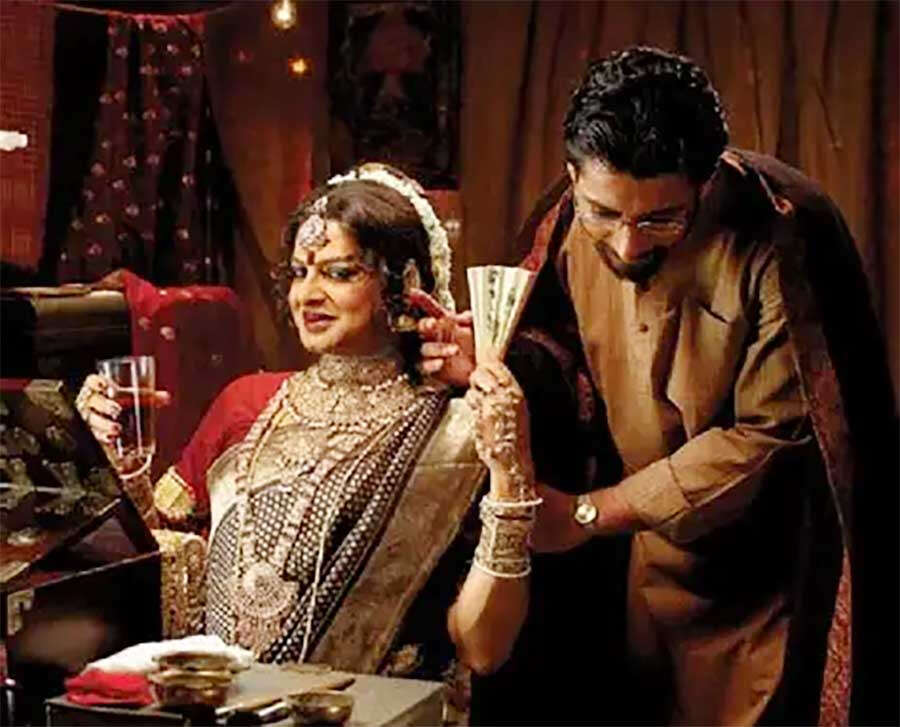
He went on to serve his lover and his lover’s wife even as a maid and a midwife, at the cost of his own self-respect. The affair ended abruptly with the arrival of a new mistress.
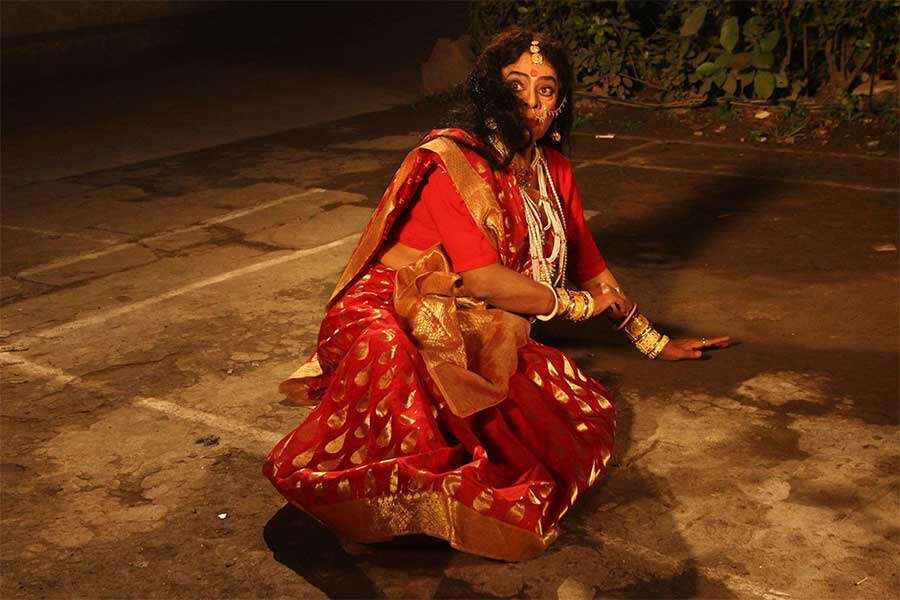
Chapal, in between his lifelong servility and devotion to his lover “X”, ruled the stage with his hauteur and perhaps vanity. It was the beginning of the 1970s when women started joining the jatras, and men playing women began to be phased out. The best parts of the book are those where Bhaduri recalls playing female parts like Purnima and other feisty ladies with aplomb. With his career steeped in art and the folk form of jatra, Bhaduri is candid enough to admit that perhaps fame did go to his head, and he hadn’t prepared himself for his eventual and hasty curtain call.
He was then reduced to playing bit roles and even doing menial jobs. In his later years, he was reduced to playing the goddess Sitala, which won him encomiums but very little money. Bhaduri, while talking about his favourite dishes and their recipes, also briefly hints at his cannabis usage and how he steered clear of alcohol, possibly owing to childhood trauma dealing with an alcoholic father. The portions with his mother are tender and very moving.
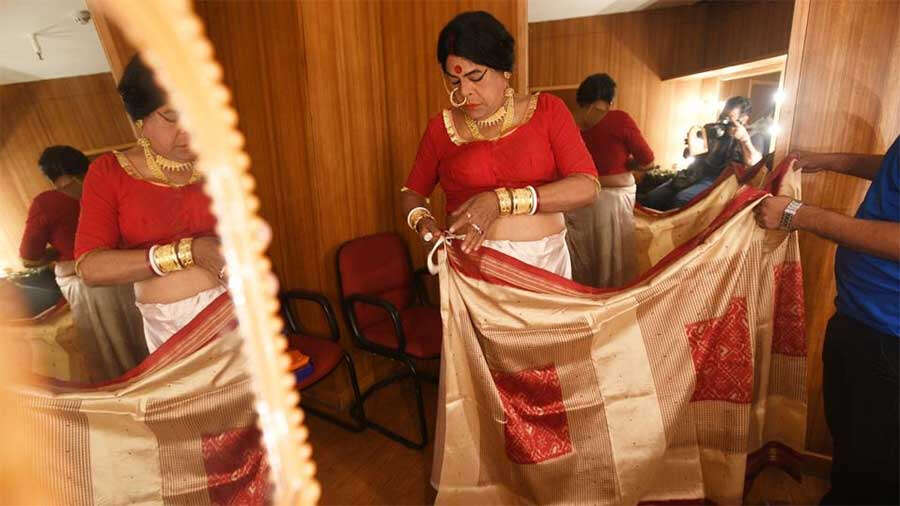
My only criticism is that Bhaduri perhaps didn’t entirely embrace his homosexuality and has been almost “antiseptic” in describing his personal life, perhaps in deference to those living, or perhaps just shy of telling it like it is. I missed the candour that he describes in everything else, which feels missing in his personal and romantic shenanigans.
The disappointment over Rituparno Ghosh hijacking his role and character in Arekti Premer Golpo and making it his own is very evident, though he does give a clean chit to director Kaushik Ganguly. Ganguly reworked his TV film Ushnotar Jonno to make Arekti Premer Golpo; perhaps Ganguly, a fledgling filmmaker at the time, couldn’t stand up to the tantrums and diva behaviour of a colossus like Ghosh. But Bhaduri is unsparing in his disappointment and criticism.
In the evening of his life, Chapal, who was once the queen of everything he surveyed, now spends his time in an old age home not too far from the streets he grew up in. His nieces bring him home-cooked food and look after him while he deals with age-related ailments.
Sandip Roy’s biography is not an easy read given our kindergarten attention spans and brain rot in the age of Instagram and algorithms. But it’s an intensely rewarding book. It makes you unbearably sad and yet makes you admire the fortitude of a jatra artiste whom history will hopefully remember more kindly than his own world did.
Also Read: Grace, Guts, Glory: Celebrating Dimple Kapadia | Editor’s Take