


Stephen Radochia / Android Authority
Smartphones are lasting longer than ever, thanks to future-proofed hardware and extended software support. It’s fantastic to see phone makers finally provide the value that $1,000+ devices deserve. It’s made knowing when to upgrade more difficult, which is a good problem to have.
Still, no matter how much you love your phone, there always comes a time to say goodbye. Yearly (or even bi-yearly) upgrade cycles may not make sense, but here are the five (almost six) phones I’d upgrade from if they were rattling around in my pocket in 2026.
How long do you typically keep your phone for?
6 votes
Google Pixel 7 Pro

Stephen Radochia / Android Authority
I had a lukewarm relationship with the Pixel 7 Pro when it launched. Initially, I was excited that the device fixed many of the complaints I had about the Pixel 6. The hardware felt more refined, the fingerprint sensor worked as it should, and Google had ironed out many of the problems users had with Android 12.
Unfortunately, there were still some gremlins hiding under the hood. The Tensor G2 chipset overheated, resulting in substandard battery life on the Pixel 7 Pro. Much of the hate for Google Pixel phones was born during the Pixel 6/7 period, and for good reason.
The phone’s display was decent, but nowhere near the quality of Google’s current panels. If you own a Pixel 7 Pro, you know its performance is good enough for social media and communication, but you’ll notice significant improvements if you upgrade.
The Tensor G5 chipset powering the Pixel 10 Pro and Pixel 10 Pro XL solves many of the earlier generation’s headaches. It isn’t as prone to overheating, and you’ll notice better gaming performance. Battery life is also improved on the newer device, and you’ll enjoy two days of mixed use without needing to plug in. One improvement you’ll notice right away is the display. Google’s Super Actua displays are excellent, and you’ll no longer have to walk around set to maximum brightness just to see your screen outdoors.
The Pixel 7 Pro was good for its time, but if you have the means, upgrading to the Pixel 10 Pro (or 10 Pro XL) is the right call.
Samsung Galaxy S22 Ultra

Robert Triggs / Android Authority
Everyone loves to jump all over Tensor chipsets, but Qualcomm isn’t immune to the occasional dud. The Snapdragon 8 Gen 1 powering the Galaxy S22 Ultra was rough from the start. I experienced frequent overheating even during basic use, and I struggled to get five hours of screen time without recharging.
It’s a shame, because otherwise, the phone holds up quite well. Its 6.8-inch OLED panel is gorgeous, and I love that the S Pen has Bluetooth functionality.
Even with those positives, the Galaxy S26 Ultra is a worthy upgrade. The improved battery life is excellent, but the extended software support is what seals the deal. The Galaxy S22 Ultra is at the end of its life. Meanwhile, the S26 Ultra is slated for seven years of Android upgrades and patches, so you’ll be getting new versions of One UI for a while.
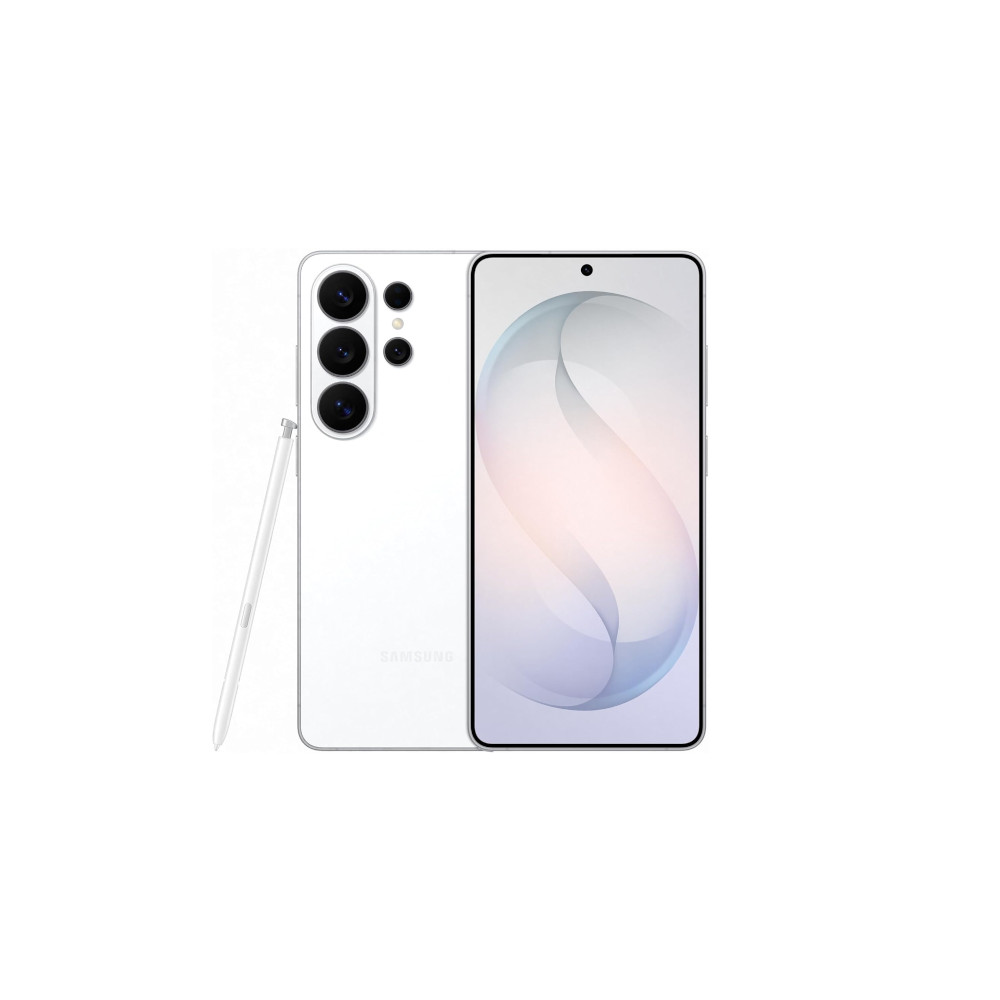
Privacy display • Snapdragon 8 Elite Gen 5 for Galaxy • Power AI features
Powerful flagship with top-tier cameras, AI, and privacy features.
The Galaxy S26 Ultra is Samsung’s slimmest and lightest Ultra yet, pairing a 6.9-inch display with the Snapdragon 8 Elite Gen 5 for Galaxy and a redesigned cooling system. It doubles down on imaging with a brighter 200MP main camera, upgraded zoom, advanced 8K video features, and Ultra-exclusive privacy and Galaxy AI tools.
Motorola Razr Plus (2023)

Ryan Haines / Android Authority
I enjoyed carrying the 2023 Razr Plus in my pocket when it was new. It was the phone that made me believe in Moto’s revival, and it was a stark contrast to Samsung’s Galaxy Z Flip series.
Snapdragon 8+ Gen 1 chipsets are among my all-time favorites, and they corrected many of the problems users had with the Snapdragon 8 Gen 1 that I mentioned on the Galaxy S22 Ultra. The older Razr’s battery life isn’t the best, but performance holds up for basic tasks in 2026 — and the styling is fantastic.
Whether you upgrade to the Razr Plus (2026) or this year’s Razr Ultra, you’ll appreciate several notable improvements. The newer Plus has a larger 4-inch cover screen, giving your thumbs a bit more space to pound out messages or scroll through Instagram.
The current versions are also more durable, and while my 2023 hinge has held up well, you’ll immediately feel the difference on the first flip. More software support doesn’t hurt either, so if you still have a 2023 Plus, it might be time to upgrade.
Google Pixel 7a

Ryan Haines / Android Authority
The Google Pixel 7a and Pixel 6 tie for my most hated phones ever. I wanted to love the Pixel 7a. The Pixel 6a was one of the best values in tech, offering the power of a Google Tensor and the company’s excellent smartphone cameras at a midrange price. Unfortunately, the sequel didn’t live up to expectations.
Tensor G2 performance on the Pixel 7a was poor, and I experienced constant overheating. Much like the Pixel 7 Pro, the battery life suffered as a result. I also had problems with the modem, as my Pixel 7a refused to switch properly between 5G and LTE — a problem many users experienced. The screen was decent, but it lags behind what Google currently offers.
If you’ve been hanging onto your Pixel 7a, the Pixel 10a offers some truly impressive upgrades. The Tensor G4 chipset is more efficient, and I get fantastic battery life from the 10a. Its 6.3-inch Actua display is significantly better than the panel on the 7a, and the device features an updated Exynos 5400 modem — alleviating many of the previous problems. It’s a solid all-around improvement, and you’ll be glad you upgraded.

Flush camera design • Good performance and battery life • Strong cameras • Great software support promise • Excellent price
Google’s best AI features, in a more affordable mid-tier device
Google Pixel 10a is a refined mid-range phone built around Tensor G4, a brighter 120Hz 6.3-inch display, tougher Gorilla Glass 7i, satellite SOS, and trickled-down Pixel AI features — paired with a reliable dual-camera system, 30W charging, and seven years of updates.
Samsung Galaxy A54

Rushil Agrawal / Android Authority
The Galaxy A54 was a notable improvement from its predecessor. The Galaxy A53 was one of the few phones I refused to use for the entire review period. It lagged constantly, as its Exynos 1280 chipset wasn’t up to the task. It was especially insulting because the Galaxy A52 was excellent, and I was expecting more of the same.
The Galaxy A54 started to turn that around. Its Exynos 1380 power plant delivered better performance and longer battery life, and the phone featured a gorgeous 6.4-inch Super AMOLED panel. One UI ran smoothly, and the design brought the phone in line with Samsung’s other, more expensive offerings.
If you own an A54, you’ll be amazed that the Galaxy A57 is still part of the A-series. It now features Gorilla Glass Victus+ on the front and back, with an aluminum frame. It has a larger 6.7-inch Super AMOLED display and carries the look and feel of a flagship.
Its Exynos 1680 chipset provides snappier performance, and the battery life is excellent. If you enjoy your Galaxy A54, you’ll love the upgrades moving to the Galaxy A57, even though it no longer has a microSD card slot.
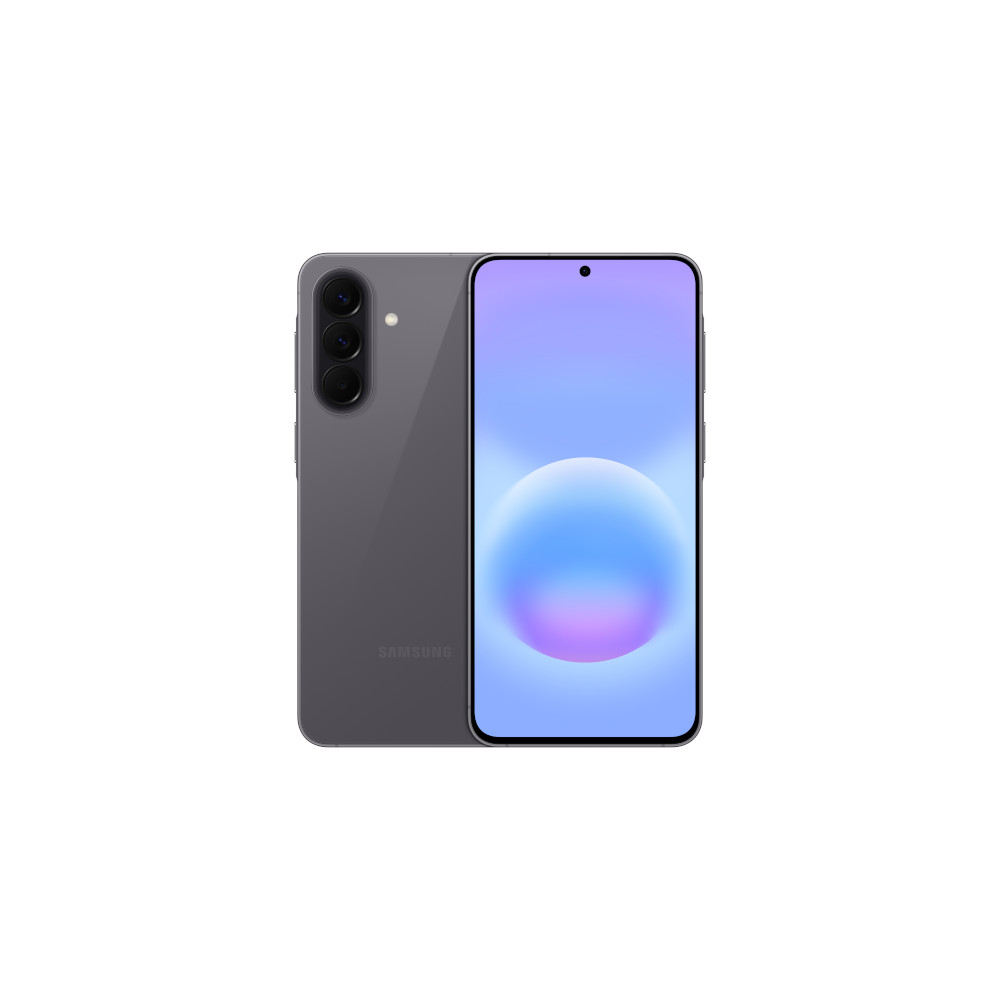
Great build quality • Fast charging • Versatile cameras
The Samsung Galaxy A57 5G is a mid-range Android phone with a smooth AMOLED display, dependable all-day battery life, and Samsung’s polished One UI experience, paired with a versatile multi-camera setup, fast charging, and long-term software support for reliable everyday use.
Motorola Moto G Power (2024)

Stephen Radochia / Android Authority
The Moto G Power (2024) remains one of the best-selling phones on Amazon, and for good reason. For around $130, you pick up a large 6.7-inch 1080p LCD display, a Dimensity 7020 chipset with 8GB of RAM, and a 5,000mAh battery. When you consider the rising phone prices all around us, that comes off as a steal, especially since it’s more than capable for social media, web browsing, and texting.
I’d like to say that the Moto G Power (2026) is a worthy upgrade, but I can’t. Its Dimensity 6300 chipset is an improvement, but nothing that would make me shell out $400 for a new phone. It still features 8GB of RAM and an LCD panel. Maybe if Motorola bumped it up to 12GB with an OLED for that price, I’d be tempted, but if you have (or want to buy) a Moto G Power (2024) for cheap, I’d keep it going a little longer.
Upgrade cycles aren’t easy anymore, and I love that our favorite devices are viable for longer. Prices are getting out of control, so the longer we can hold onto our phones, the better. However, there comes a point when you will notice upgrades, and who doesn’t love the allure of a new phone?
Thank you for being part of our community. Read our Comment Policy before posting.