


Google’s latest fitness wearable, the Fitbit Air, offers a stripped-down fitness tracking experience for users interested in the Fitbit platform. The screenless tracker is a lightweight, distraction-free alternative to the brand’s existing lineup, including the popular Fitbit Charge 6. At a time when gadgets can feel increasingly overwhelming, but wellness tracking still has clear benefits, I can definitely see the appeal. Between constant notifications and increasingly crowded feature sets, there’s room for something simpler.
With that said, wearables are never one-size-fits-all. Some users will still want more advanced sensors, built-in GPS, detailed workout tools, or more immediate feedback throughout the day. Others may like the idea of the Fitbit Air but not feel fully sold on a first-generation device. If the Fitbit Air has you shopping for a new fitness tracker, these are the five alternatives I’d recommend checking out.
Which Fitbit Air alternative would you consider?
0 votes
WHOOP 5.0

If the Fitbit Air appeals to you because of its low-profile, screenless design, the WHOOP 5.0 is the most obvious alternative. Both devices prioritize passive wellness tracking built largely around heart rate data, rather than GPS or smartwatch tools. WHOOP has been refining the concept for years, with a dedicated focus on long-term performance insights.
Like the Air, the WHOOP band is designed to blend into your everyday. It’s a comfortable, lightweight option with no display and very little on-wrist interaction. Most of the WHOOP experience happens in the app, where users can dig into detailed recovery metrics, strain scores, sleep tracking, and long-term wellness trends. The latest generation also adds improved battery life and more advanced health insights, helping justify the platform’s premium positioning.
Of course, that depth comes at a much higher price. WHOOP’s subscription model still won’t make sense for everyone, especially casual users who just want basic wellness tracking. The brand is subscription-based, with plans ranging from $199 to $359 per year (hardware is included with the membership). Still, if the Fitbit Air has you interested in a screenless wearable, WHOOP remains one of the strongest contenders in the category.
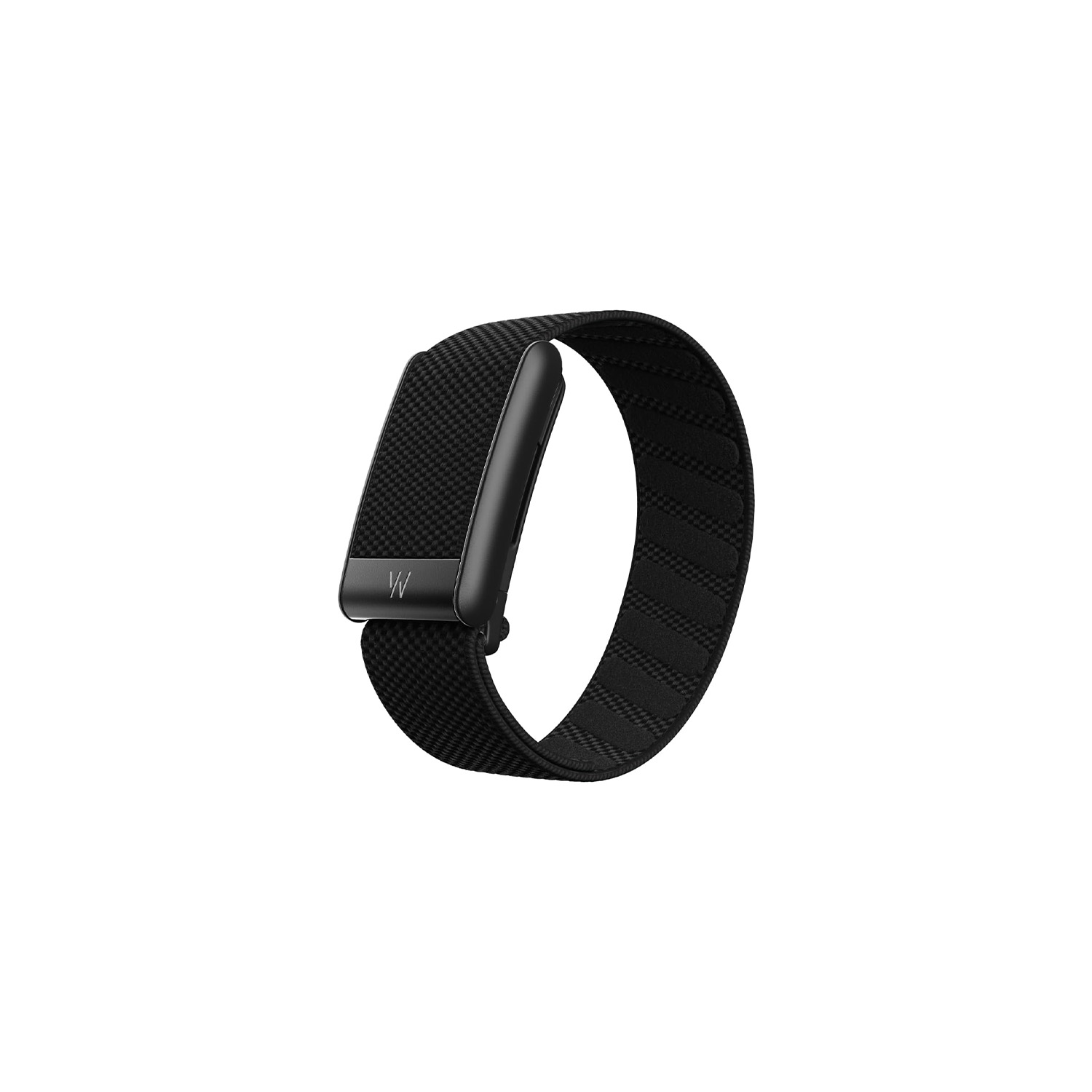
Screen-free tracking • Insightful recovery insights • Comfortable, all-day wear
A screenless, subscription-based fitness tracker focused on continuous tracking, the Whoop 5.0 is for users who want to track long-term performance metrics without a distracting display.
Fitbit Charge 6

Kaitlyn Cimino / Android Authority
If what you actually want is the Fitbit experience, but with more functionality than the Air offers, the Fitbit Charge 6 is my top recommendation. It delivers the same familiar Fitbit platform and health insights, but you’ll strap on a full-color display, built-in GPS, and a handful of genuinely useful Google tools. Meanwhile, it’s still a fairly small form factor that I find plenty comfortable for all-day wear and overnight tracking.
I personally love that I can check stats mid-workout, leave my phone behind for runs, and glance at Google Maps directions from my wrist. Yet, the screen isn’t so big that I’m tempted to fiddle with it mindlessly or get distracted by group chats and other apps best used on my phone. The Charge 6 is the cleanest and most approachable fitness tracker I’ve tested for users who don’t necessarily want a full smartwatch.
Unfortunately, unlike the Fitbit Air, the Charge 6 still adheres to Fitbit’s single-device approach, meaning it can’t be used simultaneously with the Google Pixel Watch 4. As a result, the Air’s lighter, more passive approach may actually make more sense for users who already wear a smartwatch daily. Still, for shoppers who want the Fitbit ecosystem in its most complete tracker form, the Charge 6 is my top pick.


Useful physical button • Updated heart rate sensor • All sport modes now on device
The Fitbit Charge 6 is the company’s 2023 top-of-the-line fitness tracker
When it comes to fitness trackers, the Fitbit Charge 6 is now the best product in the company’s portfolio. To get anything better, you’d need to jump up to the Pixel Watch 3, which is a dedicated smartwatch. The Charge 6 has a full-color display, 40 exercise modes, and the most advanced heart-rate tracker Fitbit offers.
Google Pixel Watch 4

Kaitlyn Cimino / Android Authority
While the Fitbit Air represents Fitbit at its most minimal, the Google Pixel Watch 4 is the exact opposite. For anyone looking to get the most out of Google’s wearable ecosystem, it’s the best option the company currently offers and my top smartwatch recommendation for Android users.
Like the rest of Google’s wearable lineup, the Pixel Watch 4 still taps directly into Fitbit for health metrics, sleep tracking, readiness insights, and workout data. The difference is that it delivers those tools on a bright 1.4-inch display along with robust app support, notifications, Google services, and some of the best sensors available. I’ve been consistently impressed by the device’s fantastic heart rate accuracy, and the built-in GPS is very reliable for outdoor workouts. The software is also smooth and deeply integrated with Google’s ecosystem in a way competing Wear OS watches still struggle to match.
Of course, this is also quite the pivot from the Fitbit Air’s minimalist philosophy. The Pixel Watch 4 is built for users who want glanceable information, apps, Google tools, and smartwatch features throughout the day. If you fall into that camp, though, it’s easily one of the strongest alternatives to the Fitbit Air.
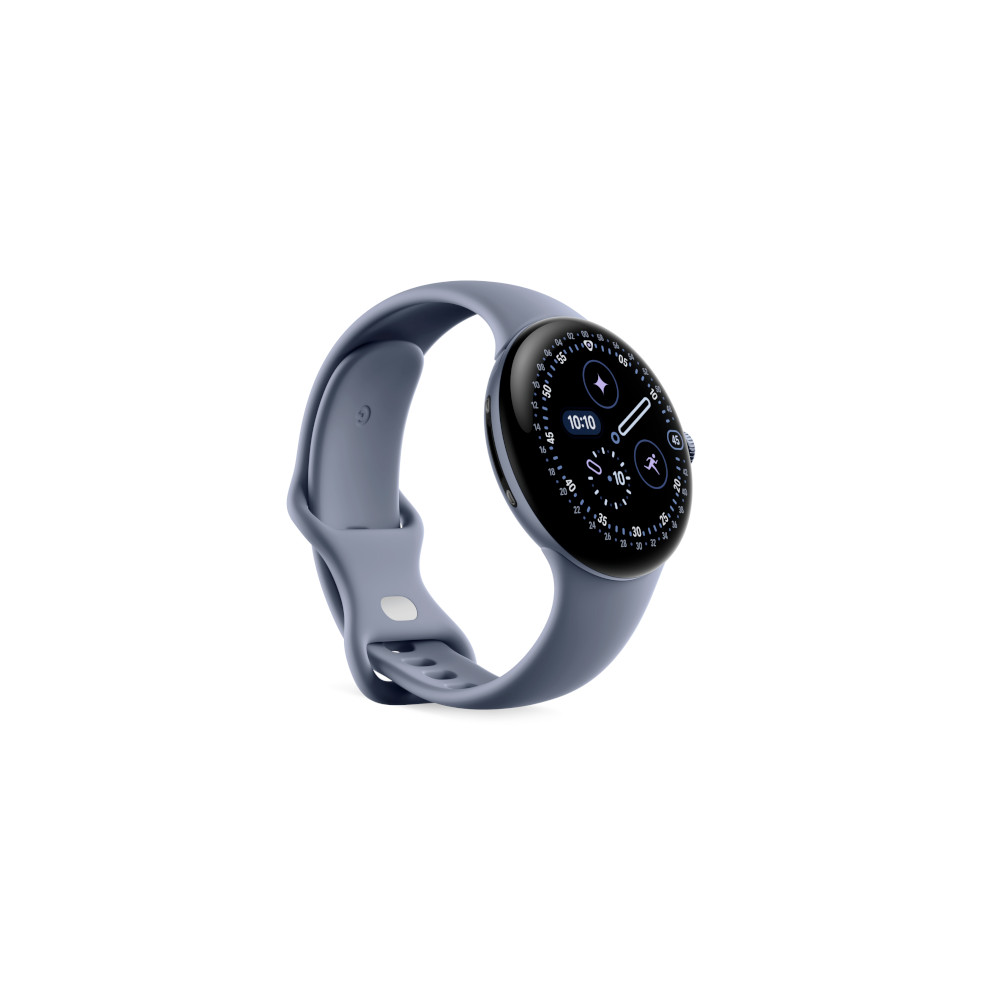
Emergency Satellite communications • Power AI on your wrist • Capable health and fitness tracking
The best Pixel Watch to date.
The Google Pixel Watch 4 series is available in 41mm and 45mm sizes, and Wi-Fi and LTE variants of each size. The Actua 360 Display is a domes AMOLED panel with 3,000 nits of brightness, and a large viewing area with greatly reduced bezels over previous models. Multiple-day battery life and quick charging power a wide array of health and fitness sensors to keep you informed on the go.
Don’t want to miss the best from Android Authority?


Oura Ring 4

Kaitlyn Cimino / Android Authority
Instead of a wrist-based tracker, the Oura Ring 4 bundles its health platform into a smart ring that looks more like jewelry than fitness tech, especially if you opt for a ceramic finish. It’s comfortable and fairly subtle, leaving your wrists completely free for other devices (or just a traditional timepiece). I wear mine nearly around the clock, regardless of which wrist-based tracker I’m testing at the time.
Like the Fitbit Air, Oura focuses on passive wellness tracking, so there’s no display or even haptics for alarms (the latter of which can be found on the Air). Similar to WHOOP, the Oura Ring relies heavily on heart rate and temperature data to monitor sleep, recovery, stress, and a variety of longer-term wellness trends in the background, including key women’s health metrics. Oura’s polished companion app is also one of my favorites in the wellness space. It surfaces health insights in a way that feels approachable without becoming overwhelming. The Oura Ring 4 also boasts week-long battery life, plus a charging case with its own built-in battery, so you rarely need to plug in.
With that said, Oura is definitely more wellness-focused than fitness-focused. You won’t get the same workout tools, GPS tracking, or real-time training feedback you’d find on something like the Google Pixel Watch 4 or Fitbit Charge 6. But for users who want a less intrusive overall wearable experience, the Oura Ring 4 makes a compelling alternative to the Fitbit Air.

Thinner design • Refreshed app experience • Smarter health sensing
The top smart ring gets an upgrade.
The Oura Ring 4 is the biggest rival to the Samsung Galaxy Ring. The new generation features upgraded hardware and a sleeker design and pairs with a refreshed Oura app for an improved software experience.
Apple Watch Series 11

Kaitlyn Cimino / Android Authority
The Fitbit Air may work with iOS, but for iPhone users, the Apple Watch Series 11 is still the tracker to beat. Nothing integrates with Apple’s ecosystem quite as seamlessly, from notifications and apps to health syncing, messaging, and everyday convenience. Like the Fitbit Air, the Apple Watch can serve as a health and wellness companion, but it also offers a much richer experience. Apple also finally improved battery life in a meaningful way this generation, making the watch much easier to wear around the clock for sleep tracking and all-day health monitoring.
The short story is that Apple has been refining the same build for eleven generations, and it shows. watchOS is incredibly smooth, the platform’s workout tools are excellent, and Apple’s health features strike a good balance between approachable and useful. This includes tools like ECG support, sleep tracking, cycle tracking, and heart rate notifications all baked in, not to mention unmatched app support for anything you don’t find natively on board. For athletes specifically, the Series 11’s GPS accuracy remains one of the line’s biggest strengths.
Of course, this is also the polar opposite of the Fitbit Air’s minimalist philosophy. The Apple Watch Series 11 is built for users who want a highly interactive smartwatch experience throughout the day. But if you carry an iPhone and don’t mind a screen on your wrist, it’s still the easiest wearable recommendation to make.
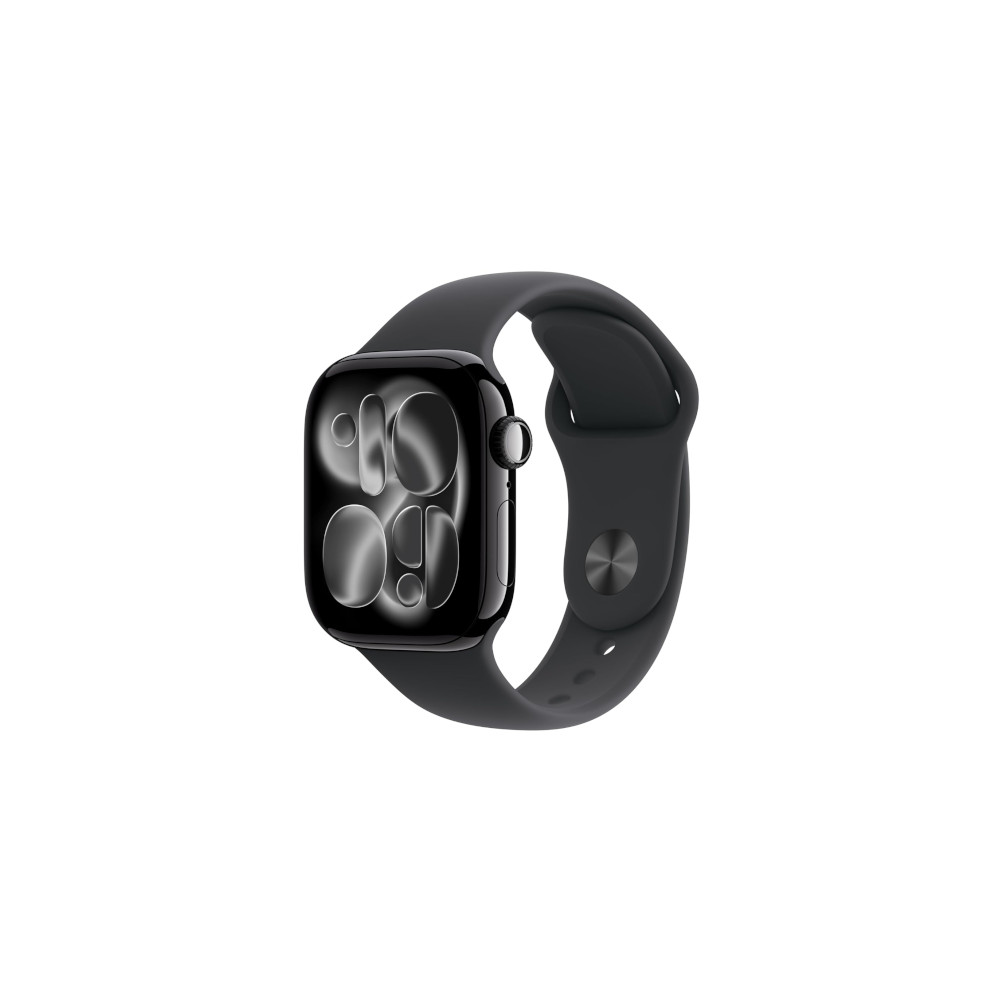
24-hour battery life • UI refinements and Wrist Flick gesture • Hypertension notifications
The Apple Watch Series 11 is classic Apple iteration: sturdier glass, longer stamina, smarter workouts, and a cautious step into preventative health.
Thank you for being part of our community. Read our Comment Policy before posting.