

Summary created by Smart Answers AI
In summary:
- PCWorld outlines six essential monthly PC maintenance tasks including SSD optimization, browser cleanup, password updates, data backups, driver updates, and physical cleaning.
- These routine maintenance steps prevent system slowdowns, security vulnerabilities, and potential data loss while extending hardware lifespan and performance.
- Key practices include maintaining 10% free SSD space, clearing browser cache, rotating passwords monthly, backing up important files, and cleaning dust filters regularly.
I have a PC cleanup routine that I’ve perfected over the years.
With a mix of regular driver updates, old file and app cleanouts, and physical cleaning, the little-and-often approach means I don’t have to suffer a sluggish system every couple of years, nor do I have to troubleshoot driver problems because I’m woefully out of date.
I won’t pretend I’m religious with this routine. Sometimes it stretches to every six weeks or even longer.
But I do make a real point of regularly keeping on top of my system. It’s where I work, play, and watch stupid YouTube videos, so of course it’s worth maintaining properly. Here’s what I do and what you might want to consider doing yourself.
Run all the updates
It’s a pain in the neck dealing with all those notification reminders for updates, so if you at least make sure all your apps, drivers, and operating system are up to date, you can save yourself that hassle.
But it’s not just about the inconvenience of reminders. Many game performance issues, weird black screen errors, random stalls and freezes, and general system instability can be traced back to outdated or problematic apps and drivers.
Jon Martindale / Foundry
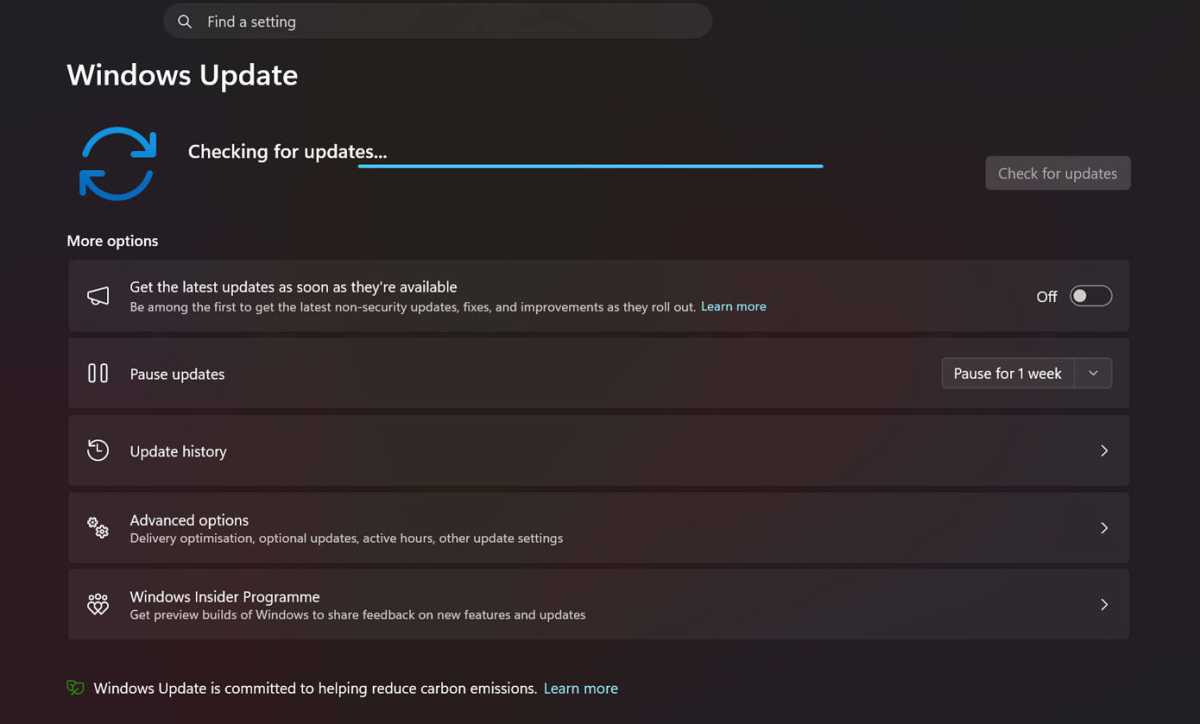
AMD, Intel, and Nvidia all publish regular driver updates for your graphics card/GPU, so checking if there’s an update once a month is good practice. Sometimes they release hotfixes shortly after a new driver update, too, so if you’re encountering problems with a new app or game, it could be that a quick driver update will sort it out.
Chipset drivers are worth updating, too. With all-AMD systems you can do that right within the Radeon software, making it straightforward. Windows updates, too. There’s more than just security updates in there. You can sometimes get improved performance or new features (and I don’t just mean whatever Microsoft is doing with Copilot that month).
Don’t neglect your BIOS/UEFI firmware, either. You definitely don’t need to update that every month, but check every six months or at least once a year. You’ll be surprised how much that can improve stability and make your PC feel brand new again.
Manage your storage
Modern SSDs are so big, it’s easy to mindlessly install new stuff after new stuff until you’re suddenly out 2TB. But it’s worth staying on top of what you have installed and how much space you have left, as modern SSDs can experience degraded performance without enough free space.
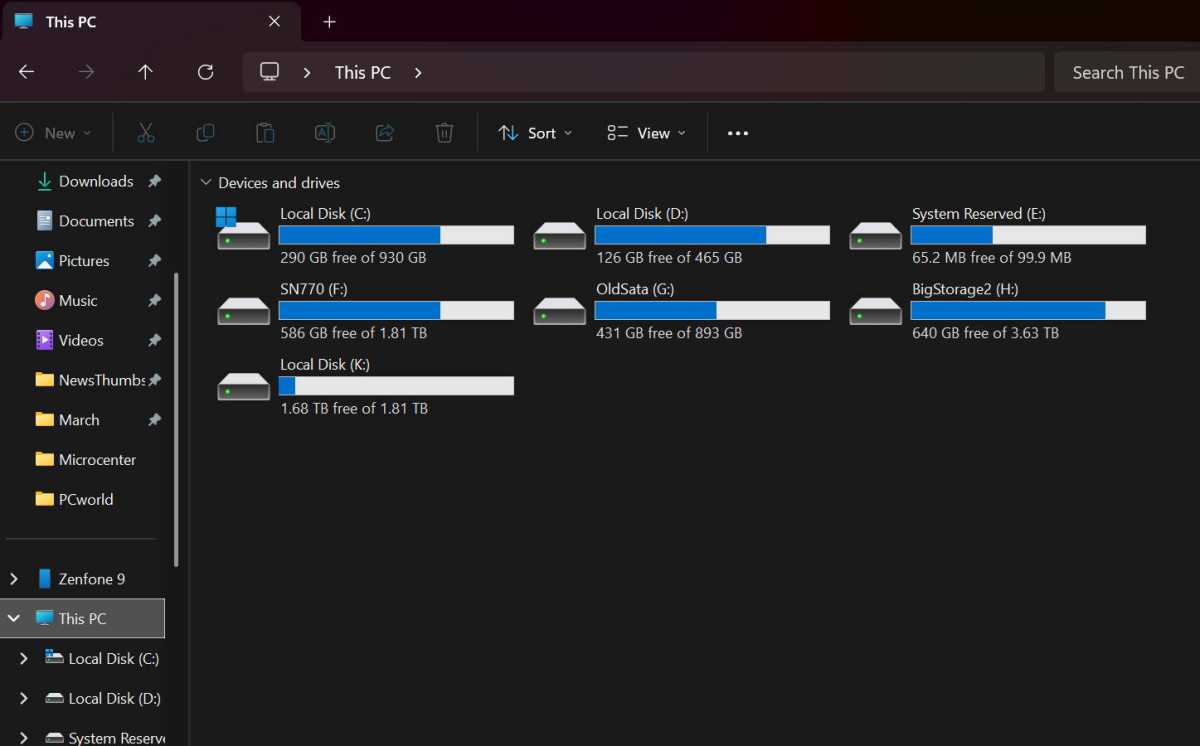
Overprovisioning isn’t quite as important as it used to be, but it’s still worthwhile to make sure your SSD has at least 10% free capacity so the controller can move data around efficiently. This will also help improve NAND flash cell longevity (i.e., your SSD will live longer). If you’re approaching anywhere near that threshold, delete some apps, games, and/or files to make some more room.
Jon Martindale / Foundry
For my monthly clearout, I glance over my SSDs to see if any of them are getting too full. If they are, I either move games around—Steam makes this dead simple—or delete something I haven’t used in a while.
I’ll also glance at my startup apps (search for “Startup” in Windows search) and see if there’s anything I’ve installed recently that I don’t need every time Windows starts up. Keeping your startup apps list lean goes a long way to making Windows boot up fast.
Clear out your browsers
What’s the first advice you give someone when they hit a problem with a website or online service? “Clear your browser cache!” And yet how often do you do it yourself?
I used to neglect this one a lot because it was always a pain re-typing in all my passwords and waiting for uncached websites to load. But with modern password managers and fast internet connections, is there really an excuse not to do this on the regular anymore?
A monthly clearout of all your browsers can keep them working as they should, preventing months or years of cache and data buildup. It frees up storage space and keeps your browser running fresh.

Foundry
Don’t neglect deleting old bookmarks, too. Those can quickly pile up and turn an organized bookmarks bar into a mess of icons that you’re always having to parse through to find the ones you want. At least label them properly and delegate them to bespoke folders.
Lastly, check your browser extensions. Sometimes old extensions die and aren’t updated, leaving you with security holes. To protect your data, fewer extensions is generally better.
Do all this for all your browsers, not just your primary one. It’s easy to neglect those backup browsers used for other activities, but often those are the ones worth keeping clean more than your main. It’s one of the PC maintenance tasks most users tend to neglect.
Change a few passwords
Do you use a password manager? Good! That’s a great way to keep your accounts secure, making it easy to maintain hundreds of unique passwords without having to memorize them all.
But how often do you change your passwords stored in your password manager? Most people never do unless forced by a system administrator. But you should, even if it is an outright pain.
Martyn Casserly / Dominick Tomaszewski
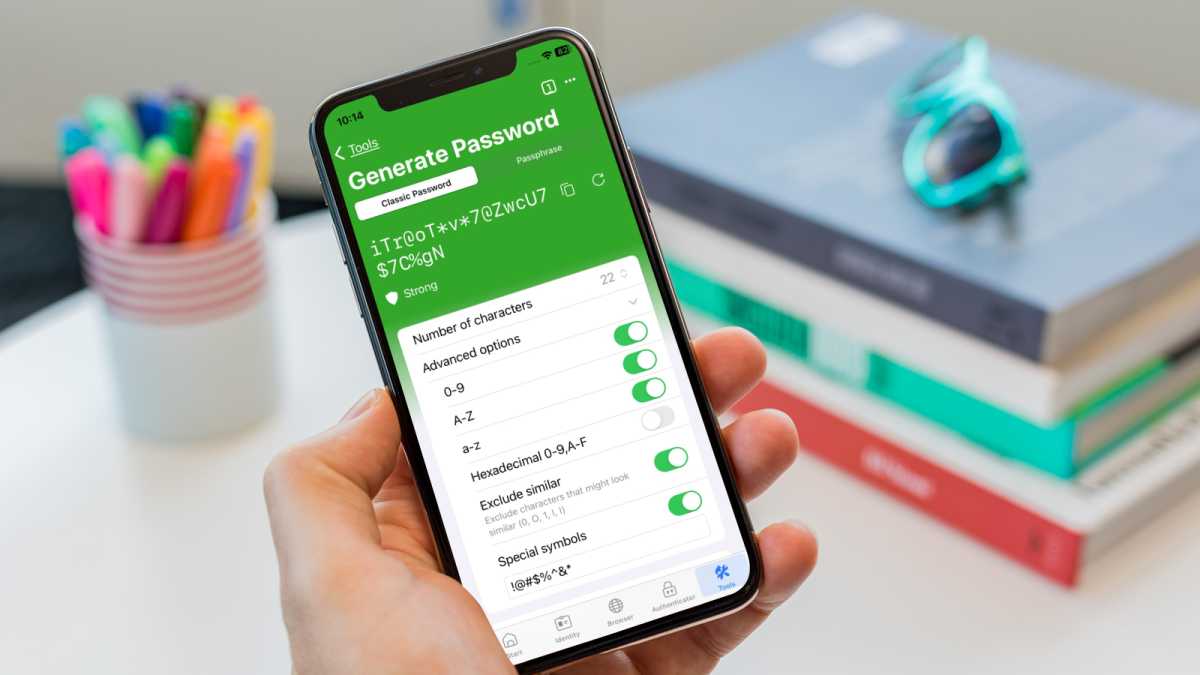
You can make the task less annoying if you stagger the job, though. Instead of changing all your passwords every now and again, maybe just change a few each month. Make a list of the most important sites, apps, and services you have logins for, and work your way down the list so that you’ve changed each one at least once by year’s end.
Changing a few passwords each month can take this annoying job that you’re always postponing and make it one that’s very doable. This advice is particularly important for those of us who use offline password managers without the convenience of cloud sync. Don’t wait until your login details are stolen in a data breach to change them!
Clean everything
OK, so you don’t have to clean “everything,” but taking ownership of your PC’s physical cleanliness can go a long way to keeping it in peak working condition. Clean out the dust filters once a month (don’t forget that one on the underside for the power supply) and wipe your fan blades and large interior surfaces with a cloth once every six months.
Don’t forget to vacuum around the PC as that can prevent any dust buildup from migrating into your PC. If you have a watercooling radiator or a compact air cooler, a quick irregular blast with some compressed air can prevent the dense fins from collecting too much dirt and debris of their own, inhibiting cooling potential.
For a digital spring clean, consider thinning your desktop icons or decanting anything you’ve copied to your PC in a temporary location. Consider cleaning out your Recycle Bin and download folders, too. They can end up full of all kinds of junk. And every year, you ought to reset your Windows PC for a deep, refreshing clean.
Back it up
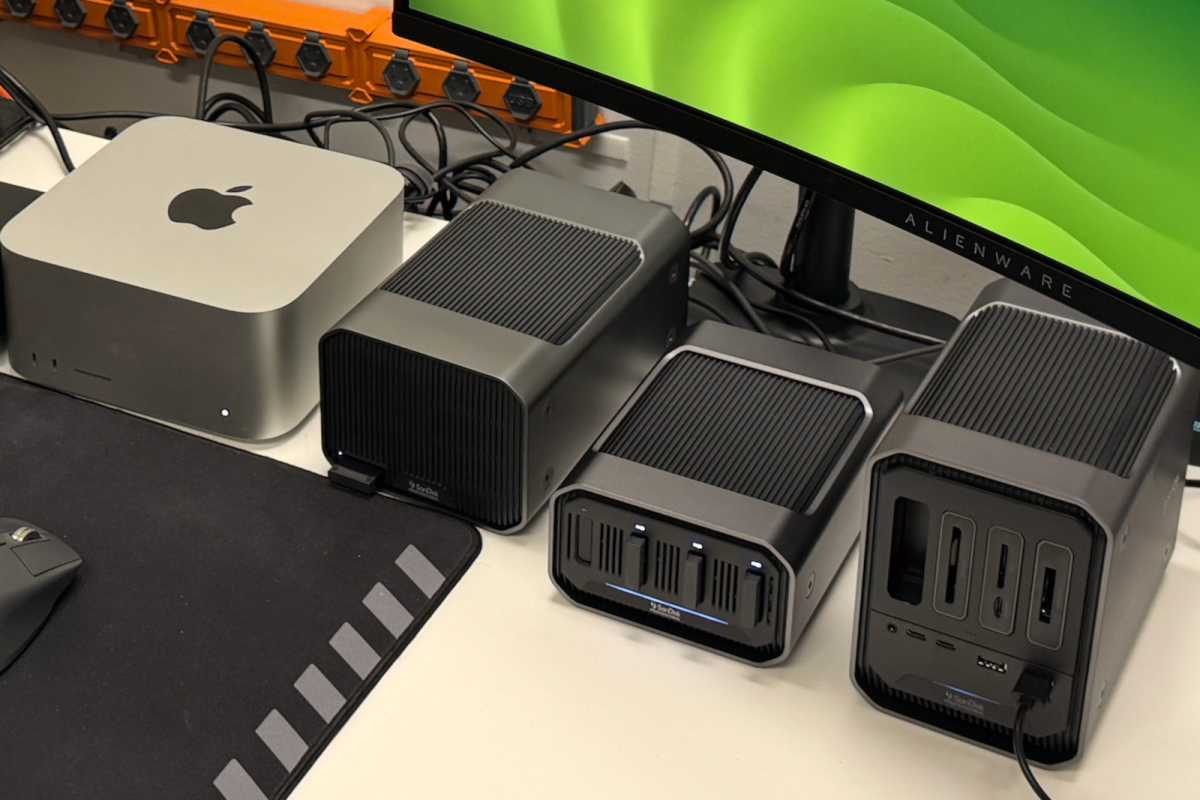
I’m a big fan of continuous backups with services like BackBlaze, but if you don’t want a rolling backup of large swaths of data, then simply backing up what’s most important to you to a secondary drive (or better yet, an external drive or cloud storage) is a great habit to get into.
Thiago Trevisan / IDG
Work documents you’ve used that month, any personal photos or videos you’ve copied to your PC from other devices, old game saves that don’t work with Steam or other game backup services—they’re all worth backing up. It’s the kind of tedious task that you’ll wish you had done the second you lose something important.
I once plugged the wrong power cable into an old hard drive which held the only copies of photos from a friend’s important birthday. Those are gone forever because of my mistake. Ever since, I’ve maintained backups of everything. It really is worth doing, even if it is a bore—making it part of your monthly cleanup routine makes it more tolerable.
Further reading: Check your PC’s health with these free apps