

Summary created by Smart Answers AI
In summary:
- PCWorld reveals that robot vacuums require regular maintenance and human intervention despite being marketed as fully autonomous cleaning devices.
- While these devices excel at surface dust and daily cleaning tasks, they struggle with deep-seated pet hair, larger debris, and need consistent emptying and care.
- Advanced models with LiDAR mapping and scheduling features offer better navigation than cheaper alternatives, but even premium options cannot replace traditional vacuums for thorough cleaning.
Years ago, I owned a robot vacuum named Gerald. After a catastrophic tumble down the stairs, I retired him early and have stuck with traditional vacuuming ever since.
But after spending more time with them lately and chatting with the experts that make them, I realized I’ve been holding onto a lot of misconceptions, especially about how “smart” these things actually are in real homes with clutter and pets.
I used to think suction power was everything. It isn’t. If you’re buying a robot vacuum for the first time, these are most important things you need to know before you commit.
Don’t replace your plug-in vacuum. You’ll still need it
I used to think a robot vacuum would basically replace my normal one. Just press a button, walk away, and that’s it—clean floors forever! No need to lug that old horse around anymore. That was my expectation with dear old Gerald (RIP).
Oh, sweet summer child.
Robot vacuums are great with surface stuff like dust and crumbs, but things fall apart when it comes to deeper messes. I’m talking about pet hair that’s deep down in a high pile carpet or larger debris like cereal or crackers. You’re going to need a regular vacuum for that sort of thing.
Navigation matters as much as suction
Cheaper robot vacuums tend to just bounce around. I watched Gerald smack into chair legs, reverse back, and smack into them again like he didn’t just do that. There’s no intention there. But with higher-end robot vacuums, it’s different. They actually map rooms using LiDAR or cameras, which lets them clean in a more intentional way.
The product team behind Dreame’s robot vacuums told me that navigation matters just as much as raw function. The more time I spend with these machines, the more I agree.
Mapping models don’t just wander around, either. They learn the layout of your house and move through it with purpose. You can also tell them to clean or skip specific rooms.
Pets, carpet, and clutter are tough
This is one of those things that sounds obvious, but really isn’t until your robot vacuum gets stuck somewhere and has an existential crisis. If you live with a giant dog like I do, you’ll see it immediately. Fur just shows up everywhere. Like little (annoying) tumbleweeds.
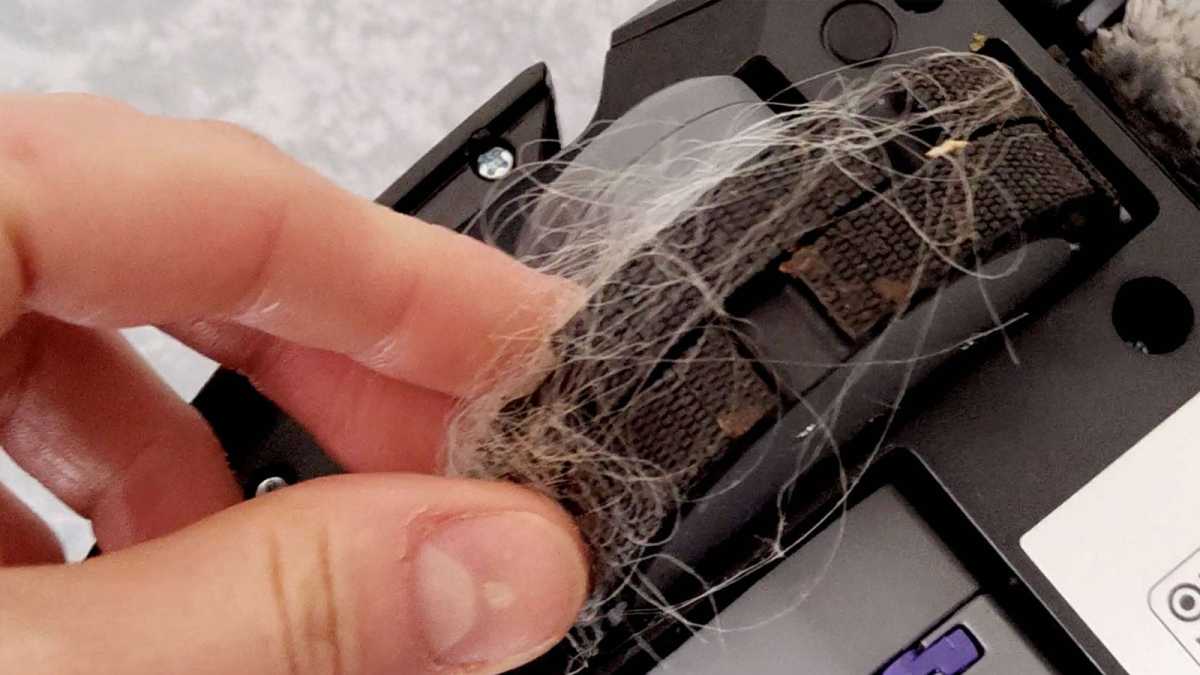
I’d run the robot vacuum at least once a week to keep the fur situation under control. That said, I’d pay close attention to brush design and hair-tangle prevention features because those will make your life a heck of a lot easier.
Jon Martindale / Foundry
Clutter is another thing I totally underestimated. Robot vacuums don’t play nice with stray toys and sneakers, so you’ll want to pick that stuff up before starting a run. More clutter means more interruptions for your robot vacuum. Otherwise, it’ll just spend most of its time navigating around those things.
That’s kind of why “best robot vacuum” doesn’t mean much. It really depends on the layout of your house, how many pets you’ve got, and so on. A basic model may work fine in a small apartment with hardwood floors and zero clutter. But a larger home with different floor types and a lot of furniture probably needs a higher-end model with better navigation.
Not as “hands-off” as you might think
And now for the part nobody really talks about.
Robot vacuums are sold as “automatic cleaning.” I get the confusion. But they definitely still need attention.
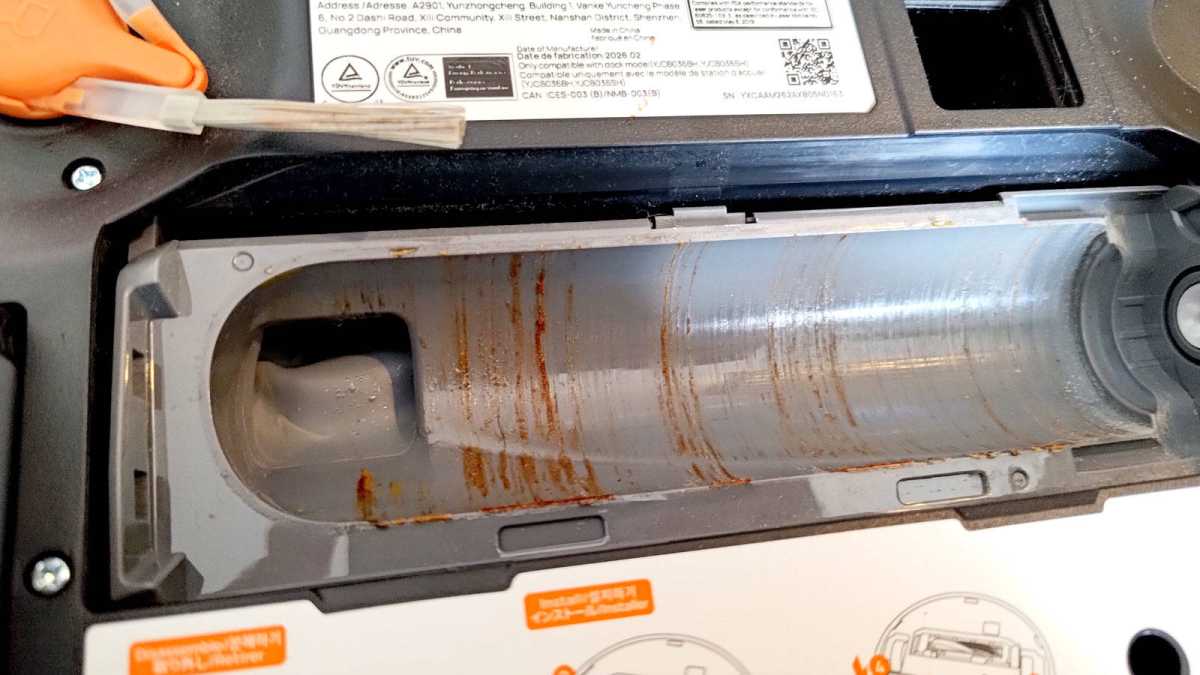
Hair gets wrapped around brushes. Dust builds up in the filters. And the bin? It fills up faster than you expect, especially if you’ve got pets. Even those with self-emptying docks, like the Dyson Spot+ Scrub AI, don’t eliminate maintenance altogether. They just delay the inevitable.
Jon Martindale / Foundry
It’s still way easier than vacuuming yourself, don’t get me wrong. But it’s not exactly a set-it-and-forget-it type of device. Not completely. It’s always going to need a little TLC.
My colleague saw this truth in testing. After tackling some messy spills (eggs, ketchup, the whole nine yards), the Narwal Flow 2 robot mop vacuum developed a “distinctive smell.” That’s because the mop didn’t dry properly. It just goes to show you that even luxury models need occasional human intervention.
Don’t sleep on the app features
If you’re not the best at sticking with a regular cleaning routine (been there!), the scheduling feature is the biggest win, at least for me. The robot doesn’t get distracted or procrastinate like we do. It simply follows the schedule you give it.
One point that stuck with me is that the goal isn’t truly hands-free cleaning. It’s reducing the amount of effort required to keep your floors clean in the first place.
Mapping also matters a lot. Being able to see your floor plan and tweak it to how you want it (labeling rooms, setting cleaning zones, etc) is important when you want an effective clean.
No-go zones are one of those features you don’t think you need until the robot gets stuck under the same chair three times in a row. Then suddenly it becomes the most important setting in the app.